HGV Insurance Resources
Plain-English guides to heavy vehicle insurance — written by specialists who understand the industry from the inside.
The Complete Guide to HGV Insurance in New Zealand
Everything truck operators need to know about insuring heavy goods vehicles — from articulated trucks to logging jinkers. A plain-English breakdown of covers, costs, and choices.
Agreed Value vs Market Value: Why It Matters for HGV Insurance
When your truck is written off, the difference between agreed value and market value can be $50,000 or more. Here's what every truck operator needs to understand before choosing their policy.

Logging Truck Insurance: What Forestry Operators Need to Know
Logging is the highest-risk sector in the heavy vehicle industry. Here's a specialist guide to the coverage that logging operators actually need — and the gaps that most find out about the hard way.
Carriers Liability Insurance: A Plain-English Guide
Every truck operator who carries goods for others needs carriers liability. Here's exactly what it covers, why it matters under NZ law, and how to set the right limit.
Fleet Insurance for HGV Operators: How It Works and What It Costs
From three trucks to 300, fleet insurance is how serious transport operators manage their vehicle risks. Here's how fleet policies work, how they're priced, and what makes a good fleet programme.
The Owner-Operator's Insurance Checklist
For independent truckies, the insurance stakes are higher than for any other operator. One mistake — one underinsured vehicle, one missing cover — can end the business. Here's the complete checklist.
Tanker Insurance: What Bulk Liquid Operators Must Cover
Fuel tankers, milk tankers, and chemical carriers face unique insurance risks — especially environmental liability. Here's what specialist tanker insurance actually covers.
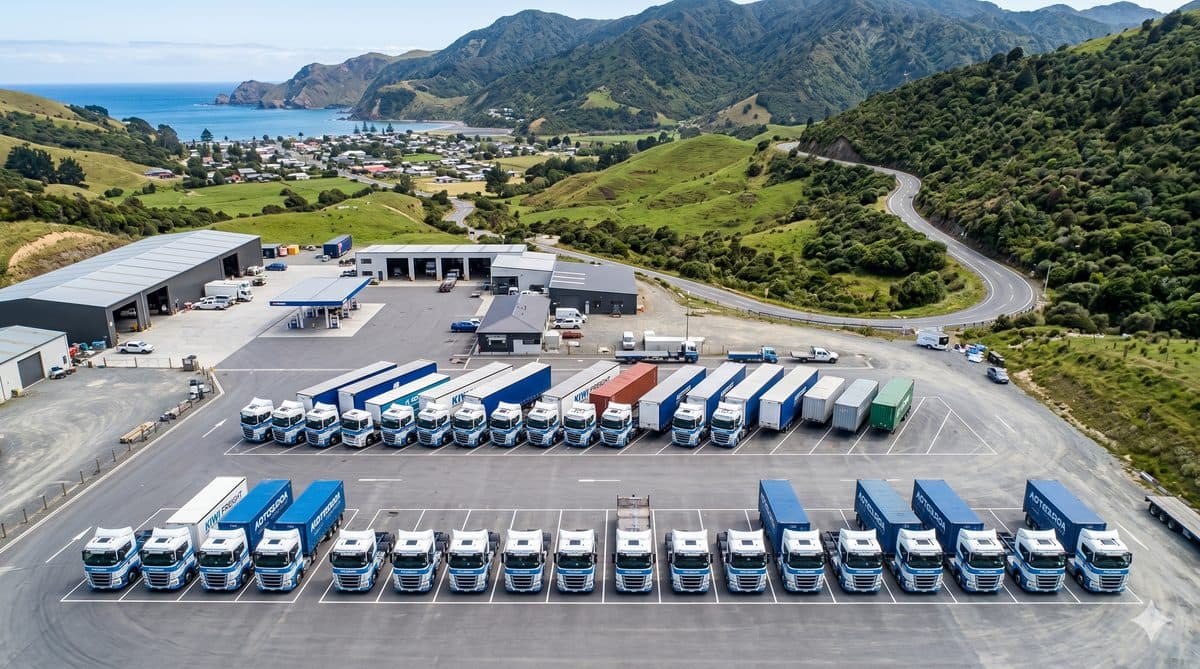
The Real Cost of a Motorway Incident: Road Clearing Cover Explained
When your truck has a serious incident on a State Highway, the road clearing invoice arrives weeks later — and it can be enormous. Here's what operators need to know about road clearing costs and cover.
Choosing an HGV Insurance Broker: What to Look For
Not all brokers are equal when it comes to heavy vehicle insurance. Here's how to evaluate a specialist HGV broker and why getting this decision right can save you money and grief.
Downtime Insurance: Why Every HGV Operator Needs It
When your truck is off the road, the income stops. Here's exactly how downtime cover works, how to set the right daily rate, and why current supply chain delays make this cover more important than ever.
Transport Industry Associations and HGV Insurance Programmes
Membership of Transporting NZ, NRC, and NZHHA provides access to preferred insurance programmes designed specifically for road transport operators. Here's what they offer and who they suit.
HGV Regulations and Compliance: What Operators Need to Know
Operating heavy vehicles in New Zealand comes with significant regulatory obligations. Here's a practical overview of the key rules — and how compliance affects your insurance.
Logging Truck Insurance on the East Coast: Gisborne's Unique Risks
Gisborne is the country's logging capital — and its roads are among the most demanding in the industry. Here's what operators in the region need from their insurance programme.
Refrigerated Truck Insurance: Protecting the Cold Chain
Reefer operators face a unique combination of vehicle, cargo, and temperature-related risks. Here's what cold chain insurance actually covers — and where the gaps are.
Construction Truck Insurance: Tippers, Concrete Trucks and Cranes
Construction trucks face unique site risks, overloading exposure, and urban constraints. Here's what operators need from their insurance programme.
What Happens After Your Truck is Involved in an Accident in NZ
A step-by-step guide to what happens after a serious truck accident — from the roadside to the settlement cheque, and the NZTA road clearing invoice that arrives months later.
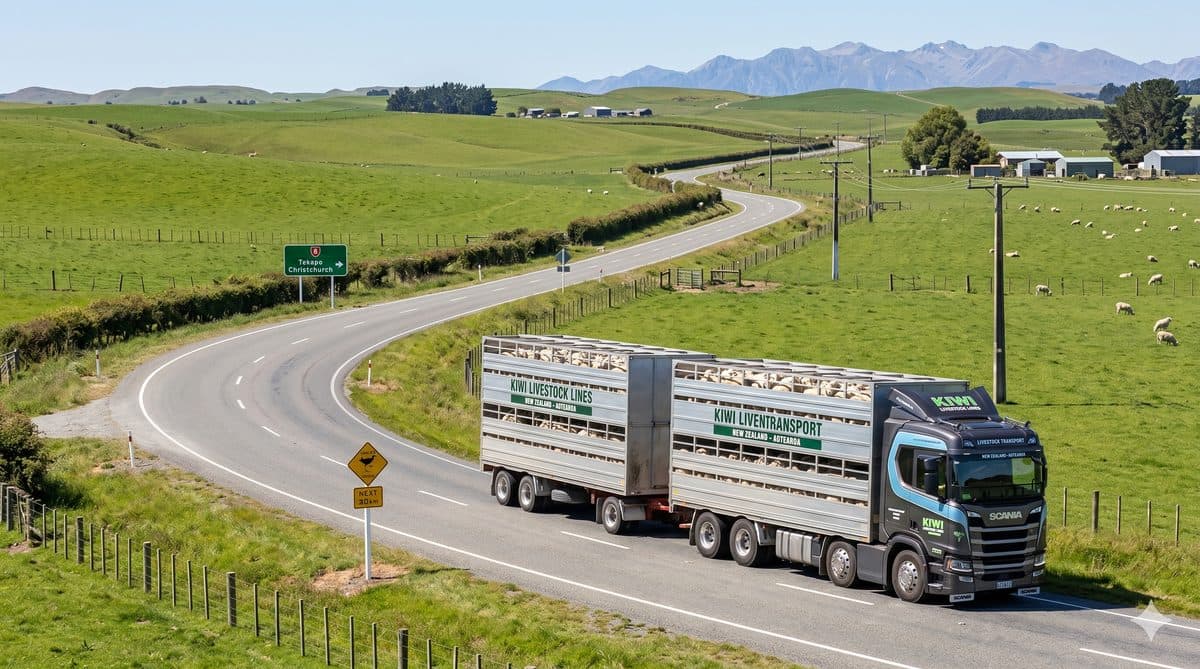
Environmental Liability for Tanker Operators: What the RMA Means for You
A fuel tanker rollover can trigger $500,000 in environmental cleanup costs under the Resource Management Act. Here's what tanker operators need to know about pollution liability.
HGV Fleet Insurance in 2026: Everything You Need to Know
Fleet insurance for heavy vehicles in 2026 — how it's priced, what's changed, and how to get the best outcome at your next renewal.
Owner-Operator vs Employee Driver: How Truck Insurance Differs
Whether you own your truck or drive someone else's makes a fundamental difference to your insurance obligations. Here's how the two structures differ — and where the gaps are.
HGV Insurance in Auckland: City Freight Risks Explained
Auckland is the country's largest freight hub — and its urban environment creates claim risks that rural operators rarely face. Here's what city freight operators need to know.
Freight Policy Explained: What the Supply Chain Strategy and GPS 2024 Mean for Operators
The Freight and Supply Chain Strategy and the Government Policy Statement on land transport 2024 set the direction for road freight. What each one says, the RUC increase planned from January 2027, and what it means for operators.
Diesel Costs in 2026: How HGV Operators Are Cutting Costs Without Cutting Cover
Diesel prices remain elevated in 2026, squeezing operator margins across the board. Here are the strategies the most resilient NZ operators are using to manage costs — without compromising their insurance protection.
Fatigue Management and HGV Insurance: What NZ Operators Must Know
Fatigue is the leading cause of serious heavy vehicle crashes in New Zealand. Here is how the regulatory framework works, what WorkSafe and NZTA expect, and why your fatigue management practices directly affect your insurance cover.
Bus & Coach Insurance: A Complete Guide for NZ Operators
Passenger transport insurance is more complex than standard HGV cover. This guide covers everything bus and coach operators need to know — from passenger liability to touring coach risks and school bus contracts.
Concrete Mixer and Tipper Truck Insurance: Understanding the Specialist Risks
Concrete mixers and tipper trucks carry risks that most standard HGV policies handle poorly. Here is a clear guide to the specialist covers these vehicles need — and the gaps most operators don't know they have.
Fleet Insurance vs Individual Vehicle Policies: Which Is Right for Your Operation?
Should you insure each truck separately or move to a fleet policy? The answer depends on your vehicle count, claims history, and risk tolerance — and getting it right can save thousands per year.
Road User Charges and HGV Insurance: What Every Operator Needs to Know
Who pays Road User Charges, what the Road User Charges Act requires, the heavy electric vehicle exemption ending on 1 July 2027, the proposed RUC reforms, and where RUC compliance connects with your insurance.
Heavy Vehicle Productivity Reform: What the 2026 Rule Changes Mean for Your Cover
The removal of 50MAX permits and a raft of administrative simplifications took effect in August, with further phases still to come. Here is what the reform programme changes about how your fleet is rated, declared, and insured.
Spring Stock Movement: The Livestock Carrier Risks That Peak in September
Lambing, calving, and the spring shift of stock onto fresh pasture put stock trucks under their heaviest workload of the year. Here is where livestock carriers are most exposed and how cover responds.
Telematics and Fleet Premiums: Turning Vehicle Data Into a Better Renewal
Most fleets already collect more driving data than their insurer ever sees. Used properly, that data is one of the few levers an operator genuinely controls at renewal.
Load Security and the Truck Loading Code: Duties, Evidence and Your Cover
The legal duty to secure a load sits with both the operator and whoever loads the truck. Here is what the law and the official loading code require, where workplace safety duties apply, and how load security connects to your insurance.
Preparing for the Christmas Freight Peak: Casual Drivers, Subcontractors and Your Cover
Extra drivers, subcontracted loads and longer hours are normal before Christmas, and each can change how your insurance responds. A practical guide to licence checks, carrier liability when work is passed on, and what to confirm before the rush.
Certificate of Fitness for Heavy Vehicles: What It Proves and What It Does Not
Every truck and most trailers need a current certificate of fitness. Here is what the inspection checks, what it leaves out, the rules on driving without one, and why a CoF alone does not show a vehicle was in good condition on the day of a claim.
Notifiable Events: When a Transport Incident Must Be Reported to WorkSafe
Deaths, serious injuries and some near misses at depots and customer sites must be notified to WorkSafe, while road crashes are investigated by Police. How the reporting duties work, what to preserve and record, and how they sit alongside your insurance claims conditions.
Ready to get the right cover?
Connect with a specialist HGV broker who can structure a programme for your specific operation.
Get a Quote