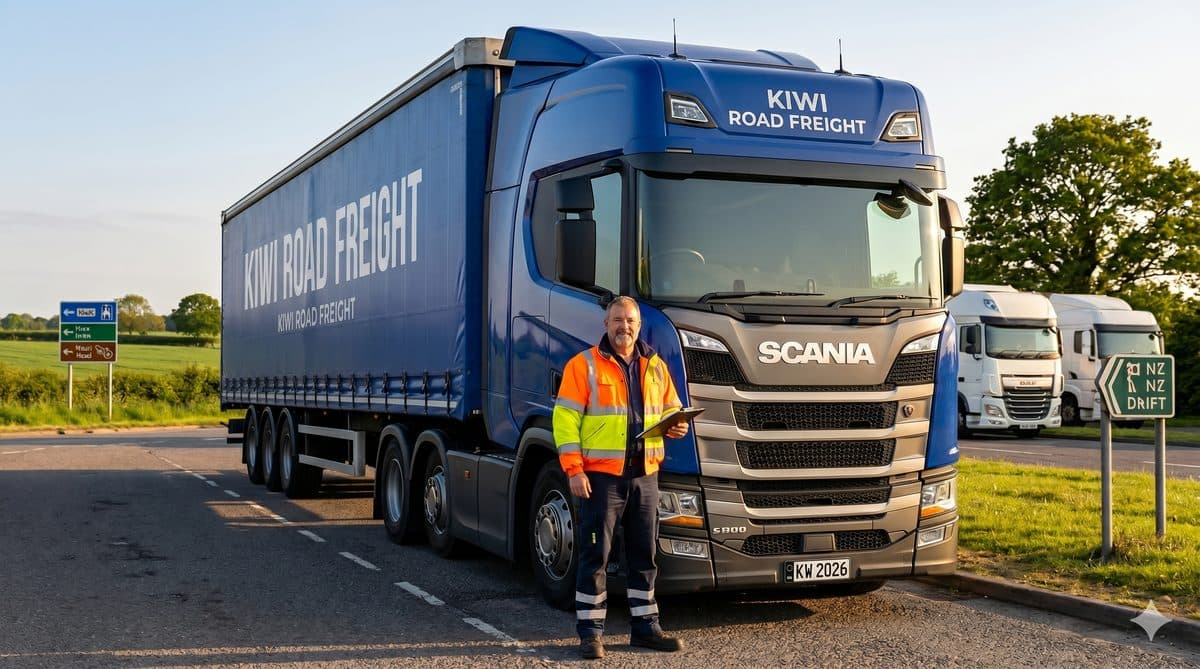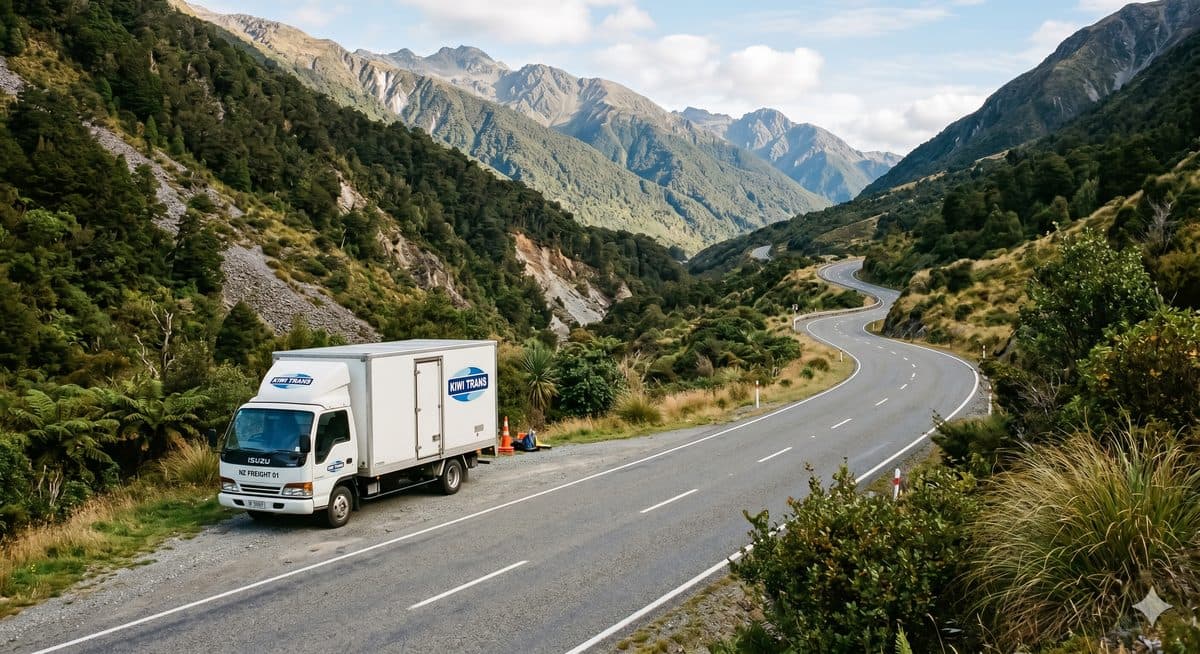
Refrigerated transport — reefer operations — sits at the intersection of vehicle risk, cargo risk, and temperature management risk. When a standard freight truck breaks down, the vehicle stops and the driver calls for help. When a reefer breaks down, the vehicle stops and a cargo loss clock starts ticking. A consignment of chilled salmon destined for Japanese export, or pharmaceutical products requiring strict temperature control, can be destroyed within hours of a refrigeration failure.
This country's cold chain is a critical piece of the food export supply chain. Refrigerated truck operators serving Fonterra, Countdown, Foodstuffs, Alliance Group, and the pharmaceutical distribution networks are managing risks that require specialist insurance expertise — not just a standard motor vehicle policy with a reefer extension ticked.
The cold chain regulatory framework
Cold chain management for food products is governed primarily by the Food Act 2014. Food businesses — including transport operators carrying food products — must operate under a Food Control Plan or a National Programme that includes temperature control requirements. For high-care products (chilled meat, seafood, dairy, prepared meals), specific temperature maintenance requirements apply throughout the transport chain.
The practical insurance implication of the Food Act 2014 framework: temperature monitoring records are a legal requirement. If a cargo loss claim arises from a temperature excursion, the insurer will request temperature monitoring data as part of the claim assessment. Operators who cannot produce monitoring data (because their systems failed or were not installed) face claim disputes — even when the temperature excursion was caused by a covered event.
Invest in continuous temperature monitoring with data logging and cloud backup. This protects you against claim disputes and demonstrates the quality of your cold chain management to insurers — which is a positive underwriting factor.
The critical distinction: reefer unit failure vs motor breakdown
The most common insurance gap in refrigerated transport is the failure to distinguish between reefer unit failure (refrigeration mechanical failure) and motor vehicle mechanical failure (engine, transmission, driveline breakdown). These are covered under different sections of a specialist programme.
Ready to get specialist cover?
Connect with a specialist broker. Response within 24 hours.
Motor vehicle cover handles collision, theft, fire, and accident damage to the vehicle — the truck and the reefer body. It does not typically cover mechanical failure of the reefer unit as a standalone event.
Refrigeration failure extension specifically covers the cargo for temperature-related spoilage when the reefer unit fails mechanically. This is a separate cover, available as an extension to the carriers liability section, and must be specifically included.
Mechanical breakdown cover handles the truck engine and mechanical components — providing roadside assistance, towing, and in some cases, emergency freight transfer costs when the vehicle breaks down. It does not cover cargo spoilage.
The interaction between these three covers is where gaps appear. A reefer unit failure that causes $80,000 of cargo spoilage is not a motor vehicle claim, not a breakdown claim, and not covered by standard carriers liability (which covers physical damage to cargo, not temperature-related spoilage). It is a refrigeration failure claim — and only operators who have specifically included this extension are covered.
Fonterra, Countdown, and Foodstuffs contract requirements
Major food industry customers have specific insurance requirements for their transport contractors. These requirements are typically set out in the transport agreement and must be met as a condition of maintaining the contract.
Fonterra's dairy transport contracts typically require: comprehensive motor vehicle cover at agreed value; carriers liability to a minimum specified limit (covering dairy product load value); public liability to a minimum of $5,000,000; and in some cases, a specific refrigeration failure extension covering dairy load temperature excursion claims.
Ready to get specialist cover?
Connect with a specialist broker. Response within 24 hours.
Countdown (Woolworths NZ) and Foodstuffs NZ have similar requirements for refrigerated grocery transport. Pharmaceutical distributors — including Pharmac-funded medicine supply chains — often require the most comprehensive cold chain insurance, including temperature monitoring certification, refrigeration failure extension, and sometimes specific pharmaceutical cargo endorsements.
Review your customer contracts carefully and share the insurance requirements with your broker. A failure to meet a contractual insurance requirement is not just an insurance gap — it is a contract breach that can result in contract termination.
Auckland to Invercargill: the overnight run risk
The Auckland–Wellington–Christchurch–Invercargill overnight refrigerated freight runs represent some of the highest-value and highest-risk movements in this country's cold chain. A single reefer trailer carrying mixed chilled product from an Auckland distribution centre to Christchurch may carry $150,000–$350,000 worth of temperature-sensitive cargo.
The overnight timing creates specific risks: the driver cannot monitor the reefer unit alarm throughout the journey; the vehicle passes through alpine terrain (Desert Road, Lindis Pass, Crown Range) where extreme cold may affect reefer performance differently than temperate conditions; and the vehicle is more likely to be parked unattended at intermediate stops.
For operators running long-haul refrigerated routes, ensure your carriers liability limit reflects the maximum value load you carry — which on an overnight Auckland–Christchurch run may be $200,000+. And confirm that your refrigeration failure extension covers the full value of temperature-sensitive cargo, not just a sub-limit that falls short of actual cargo values.
Cargo spoilage and temperature monitoring evidence
When a refrigeration failure results in cargo spoilage, the claim assessment process requires evidence of what happened. Insurers will request: the temperature monitoring log for the journey (showing when the temperature excursion began and how far the temperature deviated); records of the reefer unit's maintenance history and most recent service; evidence of load acceptance temperature (goods must enter the transport chain at the correct temperature to be covered — goods that were already outside temperature range when loaded are not a carrier failure); and the receiver's inspection record at delivery.
Ready to get specialist cover?
Connect with a specialist broker. Response within 24 hours.
Operators who use continuous temperature monitoring systems (ThermoKing, Carrier Transicold, and other manufacturer systems provide data logging; specialist fleet management platforms aggregate this data) have a significant advantage in claim management. The data provides an independent record of what happened, when, and how — which resolves disputes that would otherwise require expensive investigation.
Setting the right carriers liability limit for reefer operations
Refrigerated transport carriers liability limits should reflect the highest-value cargo you could carry on any single vehicle. For operators carrying mixed retail grocery product, pharmaceutical products, or high-value chilled seafood, this limit can be $250,000–$500,000 per vehicle. For operators with specialist high-value cargo (live seafood, premium export meat), limits of $500,000–$1,000,000+ may be appropriate.
Underinsuring carriers liability is a specific risk in reefer operations: if you have a $150,000 limit and carry a $250,000 consignment, the $100,000 gap is your personal liability. Talk to your broker about your typical and maximum cargo values and set limits accordingly.
If your reefer insurance programme has not been reviewed recently — or if you are not certain whether your programme includes a refrigeration failure extension — contact a specialist broker today. The cold chain claims you are exposed to are substantial; the right programme makes the difference between a managed claim and a business crisis.
General information for heavy vehicle operators, drawn from the primary sources linked in the article. It is not personal advice. Information about providers was accurate at the time of publishing and may change.